
Cultural Differences in Eating Snails
Nov 2, 2026 1:18
Transcribed and translated with TranslateMom. Paste any video link to get subtitles and a transcript in your language.
Nov 2, 2026 1:18
Transcribed and translated with TranslateMom. Paste any video link to get subtitles and a transcript in your language.
Japanese people don't dare eat
snails living in the fields,
in rice paddies, or
in little ditches, everyone.
Today I discovered a dish that I bet many
Vietnamese people, when they see it,
will get excited right away.
But Japanese people are quite wary of it,
They don't even
dare to catch them
or even try eating them.
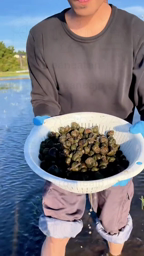
In Japan, these bitter snails are extremely
plentiful. That's because Japanese
people don't eat them, so there are
so many of them.
But anyone in Vietnam who's tried
these bitter snails gets hooked.
For anyone who grew up in the countryside,
field snails are nothing new.
Back then, after a rain, we'd go out to the fields for a bit and
could catch a whole basketful,
then bring them home, soak them clean,
and cook them in all sorts
of dishes. Boiled snails,
snails stir- fried with lemongrass and chili.
Just thinking about it
makes me crave them already.
But when I told Japanese
people that these
snails could be eaten
Some people look at me with disbelief,
surprise, and can't
believe this snail is edible.
I think that's understandable, because
every country has different eating habits.
Some things that are humble dishes to us Vietnamese
are completely unfamiliar to Japanese people.
Japanese people often pay close attention to where
food
comes from, where the snail lives,
and how it's prepared,
so they won't necessarily dare to eat one just because it's caught
in a field. When I see these snails,
I remember my childhood
in the countryside.
It's only when you're far from
home that you realize some dishes
that seem
so ordinary actually hold
a whole world of memories,
everyone.
End of transcript · 280 words · machine translated
Người Nhật thì người ta không dám ăn những con ốc sống ngoài đồng, dưới ruộng hoặc những con mương nhỏ đâu mọi người à. Hôm nay mình phát hiện ra một món mà chắc
nhiều người Việt Nam mình nhìn thấy là sáng mắt lên ngay. Nhưng người Nhật lại khá dè chừng, thậm chí họ còn không dám bắt, không
dám ăn thử luôn mà. Ở Nhật thì loài ốc đắng này cực kỳ là nhiều luôn. Tại vì người Nhật họ không ăn thì mới có nhiều như vậy.
Chứ loài ốc đắng này ở Việt Nam ai đã từng ăn rồi thì chỉ có ghiền luôn. Những ai lớn lên ở quê, ốc đồng chẳng có gì xa lạ. Ngày trước, sau những cơn mưa ra đồng một lúc thì mình
có thể bắt được cả rổ, đem về ngâm sạch rồi chế biến thành đủ món. Nào là ốc luộc, ốc xào xả ớt. Nghĩ đến thôi thì
mình cũng đã thèm luôn rồi. Nhưng khi mình nói với người Nhật rằng con ốc này có thể ăn
được đấy, nhiều người lại nhìn mình với ánh mắt bất ngờ, ngạc nhiên, không tin nổi là con ốc này có thể ăn được. Mình nghĩ cũng dễ hiểu thôi, bởi mỗi đất nước có một thói quen ăn uống khác nhau.
Có những thứ với người Việt Nam mình là món ăn dân dã, nhưng đối với người Nhật lại hoàn toàn xa lạ. Người Nhật thường rất chú ý đến nguồn gốc thực phẩm, nơi sinh sống của con
ốc và cách chế biến nên không phải cứ bắt ngoài đồng về là họ sẽ dám ăn. Còn mình nhìn thấy mấy con ốc này là nhớ
đến tuổi thơ ở quê. Đúng xa quê thì mới thấy có những món ăn tưởng chừng rất bình thường lại chứa cả bầu
trời ký ức mọi người ạ.
 1:17 Cultural Differences in Eating Snails
 1:56 Emergency Air Traffic Communication
 2:38 North Korea missile launch update
 0:42 Discussion on Personal Relationships
 0:40 Discussion on Big Boss Season 8
 2:59 Train Communication Protocols
 2:21 Discussion on Political Neutrality and Police Actions
 7:28 Social Justice and Education Principles
 2:56 Train Collision Investigation Details
 0:53 Discussion on Personal Conflicts and Emotions
 4:50 Concerns Over Global Conflict and Preparedness
 2:02 Flávio Bolsonaro's Controversial Departure
 iPhone app Translate videos on your iPhone Paste a TikTok, Instagram or X link, add subtitles in your language and save the video to Photos.

TranslateMom transcribes and translates videos from X, TikTok, YouTube and Instagram. Paste a link and you get a page like this one, in your language.