
Discussion on Quran and Biblical Claims
Nov 3, 2026 3:01
Transcribed and translated with TranslateMom. Paste any video link to get subtitles and a transcript in your language.
Nov 3, 2026 3:01
Transcribed and translated with TranslateMom. Paste any video link to get subtitles and a transcript in your language.
O Alcorão não é a palavra de Maomé. É a palavra de Deus.
Mas foi escrito por Maomé.
Não foi escrito por Maomé.
Quem o escreveu?
Maomé era analfabeto. Não sabia escrever nem ler.
Quem o escreveu?
Era a palavra de Deus. É uma palavra divina.
Viu? É sempre assim. São muito coerentes. Agradeço por isso.
Certo? É a palavra de Deus,
e eles são muito apaixonados por isso.
Respeito a sua paixão.
Não há como você ter uma conversa racional
com isso.
Do mesmo modo, se você me perguntar:
“Por que acredita que
a Bíblia é a palavra
de Deus?” E
eu olhar nos seus olhos e disser: “Porque é a palavra de Deus”,
o debate racional
se desfaz. Meu segundo
problema filosófico com o Islã
é
que meus amigos muçulmanos
me dizem que Mateus,
Marcos, Lucas e João são imprecisos.
São evangelhos pervertidos.
Na verdade, dizem que foram alterados.
Certo. Exatamente. Então,
obviamente, a próxima pergunta é:
bem, onde estão os
não pervertidos? Infelizmente,
meus amigos muçulmanos não conseguem apresentar os
não pervertidos. Em vez disso,
meus amigos muçulmanos me pedem que acredite
que
uma revelação que Maomé recebeu
500 anos depois
de Jesus, o que obviamente
significa que Maomé nunca conheceu
Jesus, que esse
livro, o Alcorão,
apresenta uma versão mais precisa do Jesus
histórico do
que os evangelhos escritos
pelas testemunhas oculares.
Bem, lamento. Sempre que
quero estudar uma figura
histórica, não corro
para um sujeito que viveu 500 anos
depois do ocorrido.
Quero recorrer às testemunhas oculares.
Não vou confiar em Martin Scorsese como
minha principal fonte de
informação sobre Jesus.
Martin Scorsese nunca conheceu Jesus,
nem Cecil B. DeMille.
Vou voltar a Mateus, Marcos,
Lucas e João, que viveram no século I,
para que sejam minha principal
fonte de informação sobre Jesus.
Meu terceiro problema
filosófico com o Islã é
que meus amigos muçulmanos
têm grande respeito
por Jesus. Na verdade,
meus amigos muçulmanos respeitam
Jesus muito mais
do que o americano
típico. Meus amigos
muçulmanos acreditam que Jesus
nasceu de uma virgem,
que ascendeu ao céu e que voltará uma segunda vez.
Bem, isso é muito mais do
que o americano típico
acredita sobre Jesus.
Mas meus amigos muçulmanos dizem que,
embora Jesus fale a verdade absoluta,
Maomé também fala a verdade absoluta,
e o problema é que eles
se contradizem em certos pontos.
Não se pode dizer que A é absolutamente
verdadeiro e depois dizer que B é
absoluta, se A e B se contradizem, porque
isso não adianta nada
então, permitir que C apareça alegando que C é absoluta
verdade, apesar do fato de C contradizer B e A.
Não pode haver uma verdade absoluta
contradita por outra verdade absoluta.
Jesus alguma vez afirmou ser Deus?
Sim, com certeza.
Mas na Bíblia—
Em João 8: 58, Jesus diz:
“Antes de Abraão nascer, Eu Sou.” Em João 10: 30,
Jesus diz: “Eu e o Pai somos um.”
Em João 14: 9, Jesus diz:
“Quem viu
a mim viu o Pai.”
Claramente, Jesus afirma ser Deus.
Então, ele era humano e
Deus ao mesmo tempo também.
Foi isso que ele afirmou.
Talvez fosse um lunático,
mas foi isso que afirmou.
Ele não era lunático. Era um profeta.
Bem, ele afirmou ser Deus em forma humana,
o que significa que é mais do que um profeta.
Ele é Deus em forma humana. Foi o que ele afirmou.
Mas, mas Deus é algo superior à
forma humana, então não faz sentido
um deus ser humano,
porque ele não seria necessariamente
superior aos outros.
Certo, o primeiro ponto
é que Deus não é algo.
A Bíblia diz que Deus é alguém, um ser pessoal, e é totalmente
possível que um ser pessoal,
como o criador—
Bem, que seja todas as coisas acima
End of transcript · 626 words · machine translated
Quran is not the word of Muhammad. It is the word of God. But it was written by Muhammad. It was not written by Muhammad. Who wrote it? Muhammad was illiterate. He didn't know how to write or read.
Who wrote it? It was the word of God. It is divine word. You see? It's every single time. They're very consistent. I appreciate it. All right? It is the word of God, and they're very passionate about it.
I respect your passion. There's no way you can rationally have a conversation with that. The same way, if you ask me, "Why do you believe the
Bible's the word of God?" And I look you in the face and I say, "Because it's the word of God," rational discourse is broken down. My
second philosophical problem with Islam is my Muslim friends inform me Matthew, Mark, Luke, and John are inaccurate.
They're perverted gospels. In fact, it's been changed, they will say. Right. Exactly. So then obviously the next question is, well, where are the
unperverted ones? Unfortunately, my Muslim friends cannot produce the unperverted ones. Instead, what my Muslim friends ask me to believe is that
a revelation that Muhammad had 500 years after Jesus, which obviously means Muhammad never met Jesus, that that
book, the Quran, is a more accurate presentation of their historical Jesus than the gospels written by the eyewitnesses.
Well, I'm sorry. Whenever I want to study an historical person, I don't go running to a guy who lived 500 years after the fact.
I want to go to the eyewitnesses. I'm not gonna trust Martin Scorsese to be my primary source of information about Jesus. Martin Scorsese never met Jesus, neither
did Cecil B. DeMille. I'm gonna go back to Matthew, Mark, Luke, and John, who lived in the first century, to be my primary source of information about Jesus.
My third philosophical problem with Islam is my Muslim friends have great respect for Jesus. In fact,
my Muslim friends respect Jesus far more than the typical American does. My Muslim friends believe that Jesus
was born of a virgin, that he ascended to heaven, and that he's coming back a second time. Well, that's far more than the typical American believes about Jesus.
But my Muslim friends say that although Jesus speaks the absolute truth, Muhammad also speaks absolute truth, and the problem is they contradict each other on certain points.
You cannot have A be absolute true and then B be absolute true if A and B contradict each other, 'cause that does nothing then but to allow for C to come along claiming C is absolute
truth in spite of the fact that C contradicts both B and A. You cannot have an absolute truth contradicted by another absolute truth. Did Jesus ever claim to be God? Yeah, he sure did.
But in the Bible- John 8:58, Jesus says, "Before Abraham was born, I am." In John 10:30, Jesus says, "I and the Father are one." In John 14:9, Jesus says,
"He who has seen me has seen the Father." Clearly Jesus claimed to be God. So he was both human and God at the same time as well.
That's what he claimed. Maybe he was a lunatic, but that's what he claimed. He wasn't a lunatic. He was a prophet. Well, he claimed to be God in human
form, which means he's more than a prophet. He's God in human form. That's what he claimed. But, but God is something that's superior to human form, so it doesn't make sense for a god to be human
because he wouldn't necessarily be higher than the others. All right, first point is God is not something. The Bible ins- says that God is someone, a personal being, and it's totally
possible for a personal being as the creator- Well, being all of the above
 1:42 Public Apology for Inappropriate Comments
 1:03 Investigation into Possible Attack in Florida
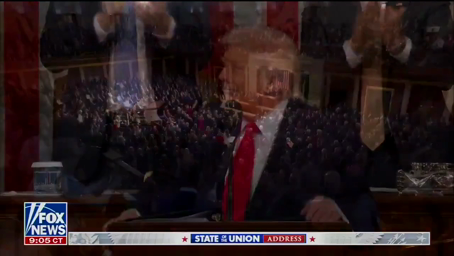 2:37 Government's Duty to Protect Citizens
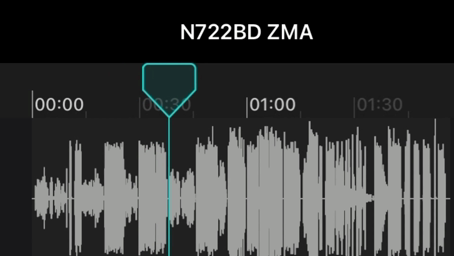 1:56 Emergency Air Traffic Communication
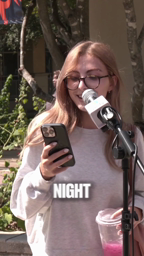 1:10 Poem Reading at Kirkiversary Event
 2:06 Future of Mind Control and Hacking
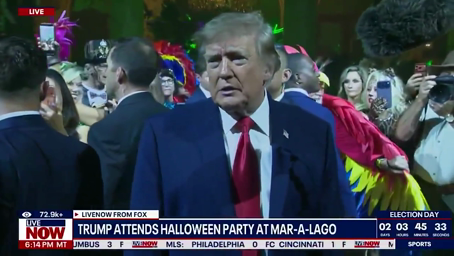 0:25 Discussion on Flavio Bolsonaro's Situation
 1:30 Forex Trading Strategy Analysis
 0:58 Satirical Lyrics about Political Figures
 0:48 Discussion on Low-Fat Diets and Health Risks
 1:23 Concerns Over Pfizer and Turbo Cancer
 1:13 The Importance of Every Action in Life
 iPhone app Translate videos on your iPhone Paste a TikTok, Instagram or X link, add subtitles in your language and save the video to Photos.

TranslateMom transcribes and translates videos from X, TikTok, YouTube and Instagram. Paste a link and you get a page like this one, in your language.